
March 10th, 2020
On the 8th of March every year, I am prompted to ponder the brilliance of women for weeks following the allotted celebratory day. In my mind I’ve always possessed a treasure trove of favoured performances that have moved me or stayed with me, without really knowing what sort of category to put them in. The category I was in fact seeking was at first too monstrous for me to notice: a category encompassing half the humans we see on our screens. When I allow my self to wonder why a performance built upon the human condition of womanhood feels significantly triumphant to me, I notice the millions of other categories within – and I notice an endlessness to what can be explored within the realms of possibility to which stories of femininity opens a door.
Following is a deeper dive into the trophies I awarded on The Unending Ode’s instagram. Each of these performances or construction of a character struck me as distinctly winning and I hope you enjoy bringing these ladies into your lives as much as I have.
Terms of Endearment (1983), Shirley MacLaine and Debra Winger as AuroraWatching MacLaine’s career trajectory grow out of ingenuity into self-possessed maturity is worth championing alone. Grappling with the identity of grandmother-hood while refusing to relinquish a girl’s right to romance, MacLaine’s dealings with Winger, a young mother hurdling mountains with each step, are honest and inharmonious. Their mother daughter relationship shows chaotic conflict upon the bedrock of love, as the ladies try to own an identity dissociated from their dependence on one another. I must warn, after watching this with your mother or daughter you might feel compelled to tell her you love her, but it also might ignite a reluctance to admit such vulnerability to her. Let Winger and MacLaine do the talking.
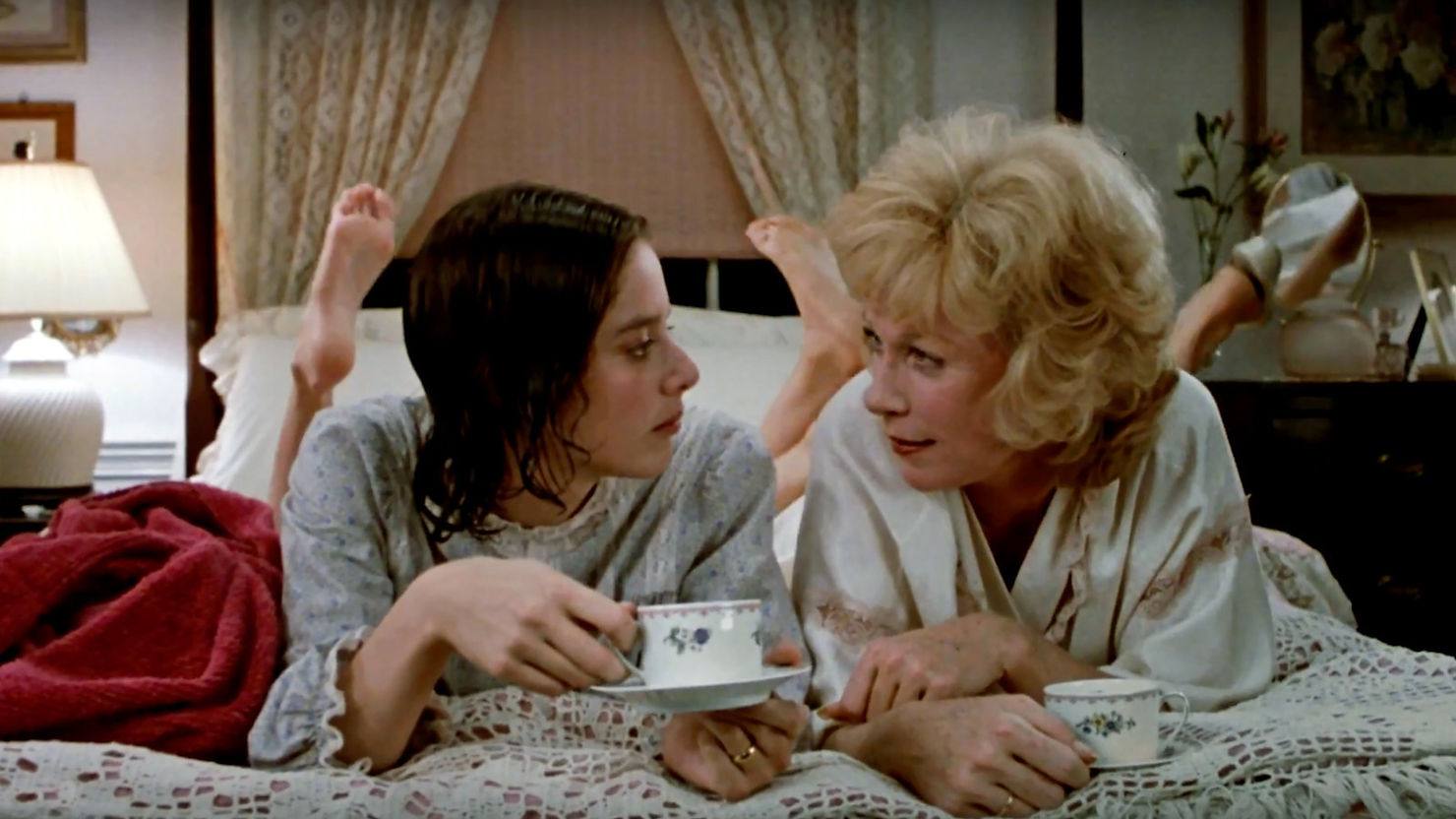
Moonstruck (1987) Olympia Dukkakis and Cher
Moonstruck struck me with its humble artistry in many ways: structure that felt as satisfying yet pulsing as a sonnet, a plot that navigated the most intricate of relationships with an obvious drive toward resolution and a backdrop composed of only the reasons one can love NYC. But upon maybe my fifth or fifteenth viewing, I realised a commendable strength lay in the candour of dining room conversations. The rapport between Cher and Olympia’s characters mirrors the same contention so many other mother/daughter couples face, but you can also see in the nuances of their interactions the vast masses of life they have lived just out of frame. The artistry is in the succinctness to which this is alluded, like a glorious primary colour painting with absolutely no white spaces.
Good Will Hunting (1997), Minnie Driver
This movie is about a young man, his relationship with himself, his relationship with another man, and the conversations they have about themselves and the women in their lives. Skylar’s presence in this film, by any other formula would be secondary and inconsequential. But what makes this film so special to me is the robust relevance of Skylar’s individuality. The script gives birth to multitudes within this woman within the same screen time another film might introduce to you maybe her name and eye colour. She is the object of romance, obviously, but as we encounter her through the narrative we see her own subjective journey in the periphery. I believe this complexity and substance helps make climactic moments of the movie explosive with integrity as we watch a flesh and blood woman with wit and intelligence and self respect surrender to her own vulnerabilities. It makes the love feel real.
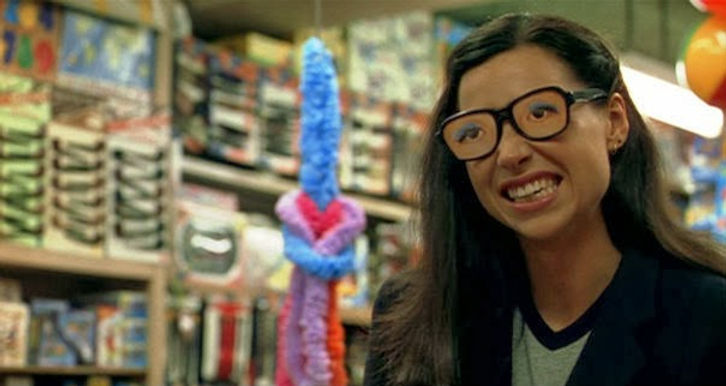
When Harry Met Sally (1989), Meg Ryan and Carrie Fisher
Chemistry and candour are the elements that spearheaded this movie into timelessness. I love the way Norah Ephron writes a woman, and I love how sensitive Rob Reiner is to gender dynamics. While Billy and Meg together were so subtly electric, I think Carrie Fisher played such an important role in balancing Sally and crafting of her the woman we all see ourselves trying to be.
Mental (2012), Toni Collette, Deborah Mailman, Rebecca Gibney, Hayley Magnus, Chelsea Bennett, Bethany Whitmore, Lily Sullivan, Mallory O’Neill, Kerry Fox
I’ve been known to ruin parties with my impassioned rants about this film and it’s director PJ Hogan. This film and it’s cousin Muriel’s Wedding (1996) were indisputable triumphs for women on screen, and I could speak for days about why. (I eventually will, no doubt). But here, I must say, that the collection of eccentricities written into a deluded and abandoned house wife, four neglected and troubled daughters, neighbours living under self imposed oppression, a renegade with an agenda against oppression, and an anarchistic asylum patient were SPECTACULAR. Watch this film for the funniest allusion to menstruation I’ve ever seen on film.
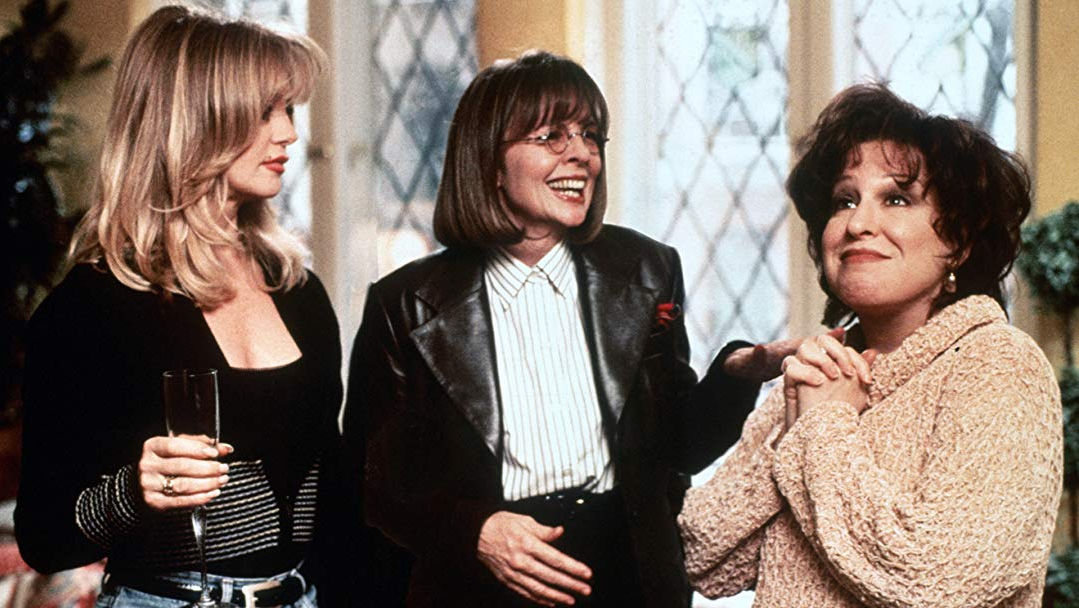
First Wives Club (1996), Goldie Hawn, Bette Midler and Diane Keaton
From the first minutes, it was evident this screwball comedy subscribed to a predictable circus of tropes, employing actresses known to represent them. But creating a cocktail of all three of them on the same screen at odds with one another was delicious. Goldie was flouncy, Bette was fiery and Diane was skittish, but in pursuit of similar goals there was an excellent progression of them finding each other’s strengths within themselves. They made me laugh so heartily and the final jubilant scene gave me a twinkly-eyed moment that reminded me why I love stories.
Mona Lisa Smile (2003), Julia Stiles, Maggie Gyllenhall, Kirsten Dunst, Julia Roberts, Ginnifer Goodwin
Mona Lisa Smile is the Mr Holland’s Opus for the young, thinking woman. While some will point out the obvious shortcomings of the film, I maintain that the performances elevate the movie to remain among timeless standards. So many formidable performances here can be praised endlessly, but my favourite was Maggie Gyllenhall. Her attitude and nonchalance but me in awe of her coolness but her character arc around her respect for and relationship with her idols really stuck with me. It reminded me that for a woman to grow you must let other woman inspire you. And as all the university student women let Julia Robert’s character lead them on self-exploratory journeys, I remembered how vital it is to let yourself be led.
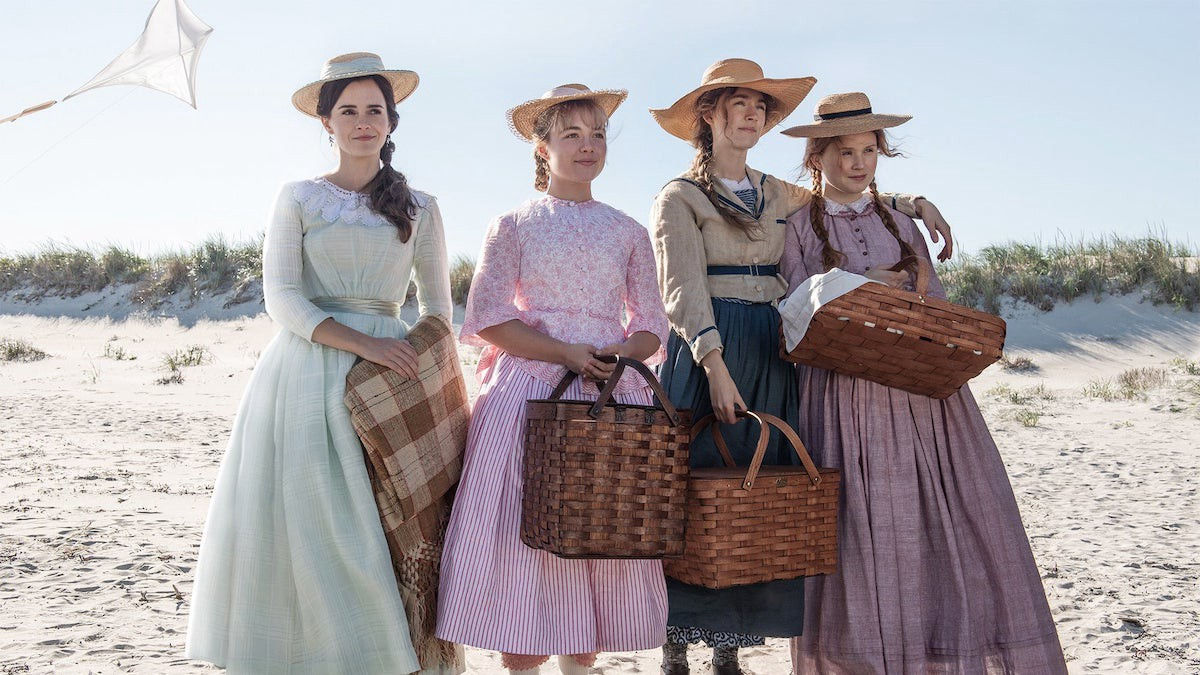
Little Women (2019) Saoirse Roman, Florence Pugh, Emma Watson and Eliza Scanlen
I’m not sure enough good can be said about Greta Gerwig’s 2019 adaptation of little women. Even if we all collectively exhausted ourselves of credit we still wouldn’t be giving it enough. Her design of the dynamics between Meg, Amy, Beth and Jo was so artful and will remain timeless forever. The book Little Women is quite sacred to me, as it is to many ladies I know, and until Greta’s vision arrived, the true spirit of the book always seemed to be missing. There is a fervour about the way sisters fight, a thrill about how they play, and satisfaction about how they resolve conflict that Saoirse, Florence, Emma and Eliza absolutely nailed. Instead of a streamlined posse of girls with the quiet one, the tom boy, the girly one and the baby, we get a team of people who are contenders against one another with bucket loads of compatible and conflicting traits, who relentlessly fight against and for each other.
Steel Magnolias (1989), Dolly Parton, Sally Field, Julia Roberts, Daryll Hannah, Olympia Dukkakis and Shirley MacLain
Steel Magnolias was one of my first favourite movies and it inaugurated my love affair with all of the aforementioned ladies. What struck me as special about this film was (before I was familiar with themes of “southern heart” and recognised it as a scaffold for movie making) was that the story explored only the tight-knit nucleus of a community and the frivolous activities like manicures that these women busied themselves with. While my hair had never been so big, an never had I ever seen a wedding cake so grotesque I found so much in this sweet film to relate to. As the storyline steeped into more harrowing themes, the steely resilience of these women rose to challenges. Among everything that could possibly be important in this world, this movie reminds me that nothing could be more important than having a community to support you.
A Fish Called Wanda (1988), Jamie Lee Curtis
Even if I were a young, hot actress with some serious credits under my belt, I would be lethally intimidated by the opportunity to work alongside comics like Kevin Kline, John Cleese and Michael Palin. Who would remember you were even in the movie? Well, I remembered Jamie Lee. She was slick and crafty amid a cohort of men, and as fluent in the screwball slapstick as any of her counterparts. Her exploitation of her own femininity was easily a highlight, and her protagonism amid a crew of testosterone driven idiocy makes this film watchable again and again.
Four Weddings and a Funeral (1994), Kristin Scott Thomas
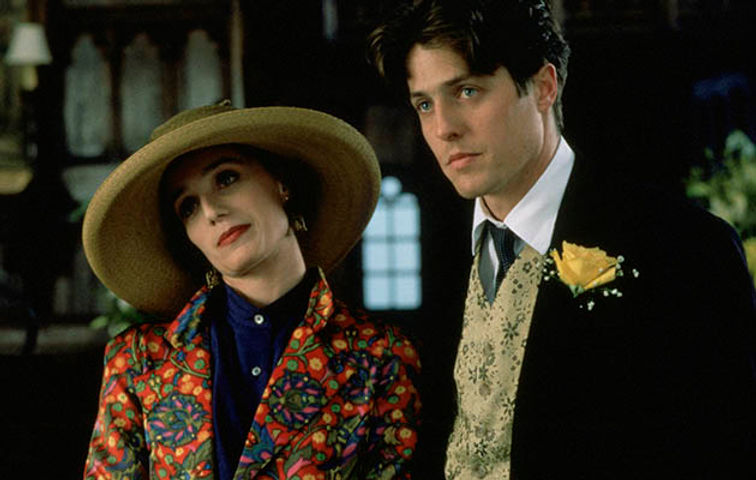
I’ve never resolved my frustration at watching Hugh Grant end up with Andie MacDowell’s character at the end of this Richard Curtis gem, that I otherwise consider to be almost perfect. As one of my favourite depictions of friendship in cinema, this movie created an underdog character that remains the underdog after the credits roll. Kristin’s character knows the man she desires, and knows that she is not who he desires. Yet the way she carries herself through the platonic relationship with him unchangingly shows a woman who puts her self-respect above surrender to the turmoil of unrequited love. Her maturity through the narrative and commitment to chic and intimidating style taught me a lesson about there being nobility in being not quite the right woman. And I daresay the life that “Fi” went on to live after the story was fulfilled with a better love down the track that relished in her bold fashion choices and curt manner.
Honourable mentions that will get essays later on: His Girl Friday (1940), The Parent Trap (1998), No Strings Attached (2011), Muriel’s Wedding (1996), Chinatown (1974), Dreamgirls (2006), Booksmart (2019), Mystic Pizza (1988), The Help (2011), She’s Funny That Way (2014)
If any of the films or actresses listed above teach us anything, it’s that stories about women deserve our labour and our love. Diverse stories on the screen deserve the faith of those who make it and the disposition of audiences to watch it. So call up a sister, an auntie, a grandmother, a niece, a neighbour or just any old pal, and indulge in stories that you can own.

 The Unending Ode