September 5th, 2020
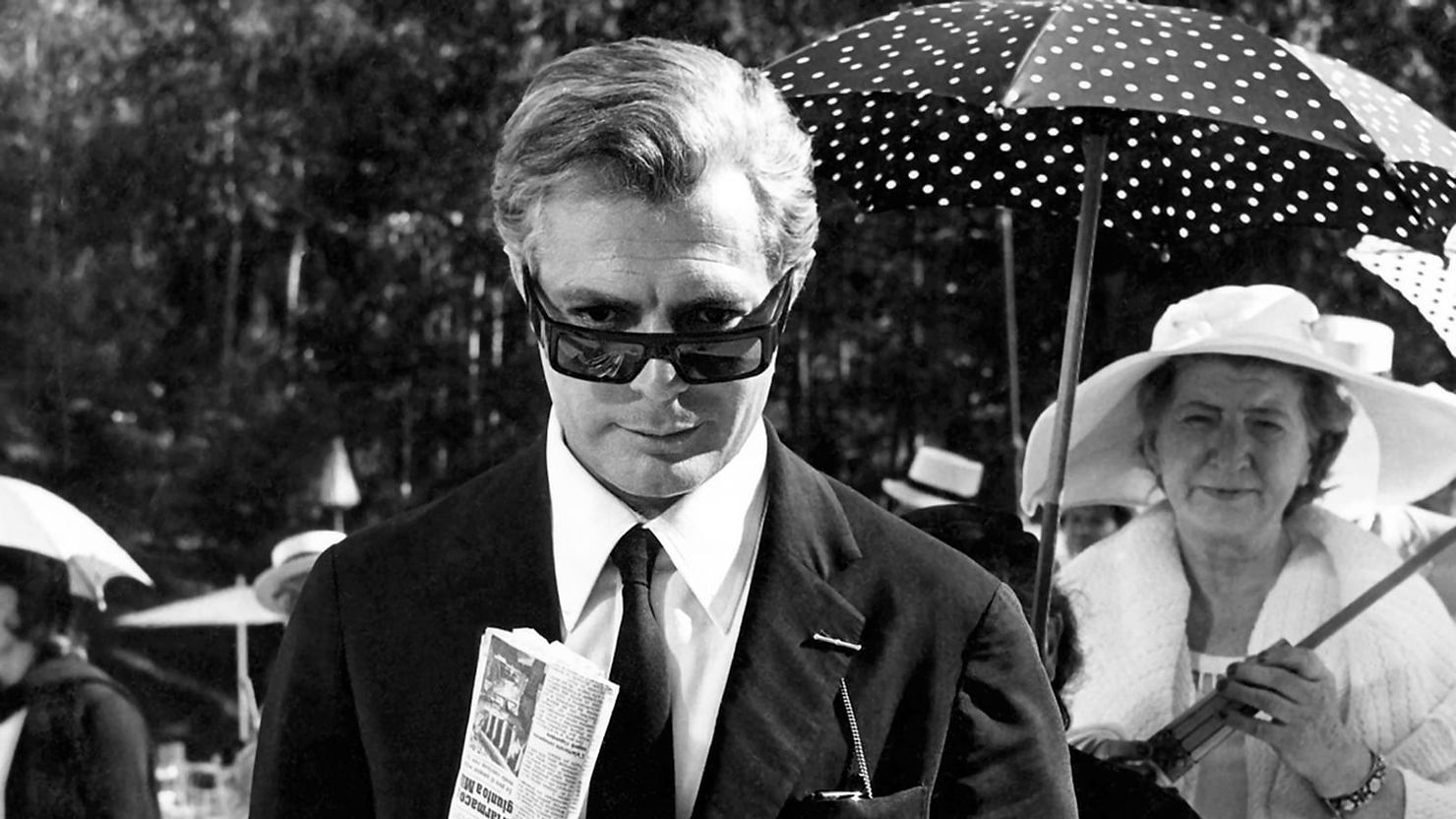
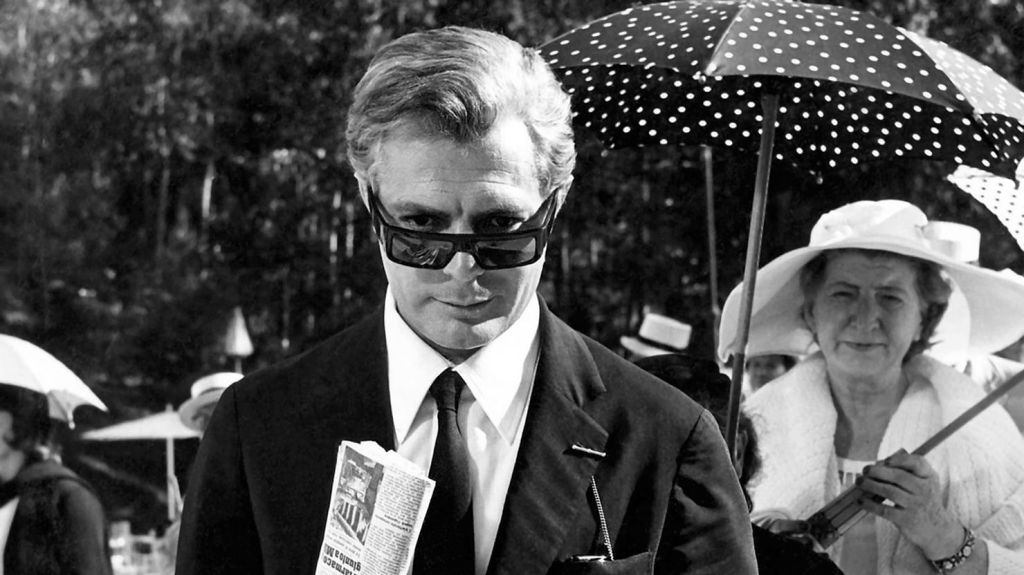
I entered a screening of Fellini’s 8 1/2 armed only with the knowledge that I liked what little I knew of him already. Through 138 minutes I found my consciousness clambering as it counted, desperate to find a quantity of SOMETHING that reflected the numerical value of the title, while my head vacillated between the left and right sides of the screen to catch the subtitles that were an unreasonably large banner spanning the entire screen, from the second row (because I was too preoccupied in pursuit of the free negroni I’d been promised) of Saal 2 at the Babylon Picture Theatre, Rosa-Luxemburg Str., Berlin last autumn. Alongside my transparently (read: embarrassingly) active viewership, there was much I absorbed subliminally. These surreptitious pieces of information built upon themselves inside me like blocks until they toppled and cascaded during the denouement, throttling me to acknowledge the sense I had just made; compelling me to laugh. Fellini’s masterpiece is a cacophony of the self-indulgent, the self-referential and the self-critical – these elements continually congruent with one another. He manifested himself in his own protagonist, conceding to some faults while championing others. He painted for laypeople a version of his reality on the fabric of absurdity – and the line between Fellini’s life and fantasy became intriguingly indistinguishable. The juxtaposition of an afternoon spent drinking spring-water with other rich folk against the clamorous Ride of the Valkyries in the first act alluded to what I should brace for. This grandiose trope is carried through many scenes, until a rendering moment when Guido continues to hum the Barber of Seville overture after the superimposed orchestral sounds die away. Maybe these sounds were in fact diegetic, and perhaps the camera following Guido through his follies is as close as Fellini would deign to position us to the point of view directly behind those striking sunglasses? As we borrow the protagonist’s rose-coloured glasses, it’s refreshing that Guido’s shortcomings are thrown up on a pedestal to mock. When criticised, Guido will spin some schmaltzy deception, or he might just literally crawl away. Nothing he ever does seems like it will help his own cause, but as the dominoes of repercussion fall against each other, the moves feel meticulously intentional. Every action and reaction through every moment of suave dialogue forebodes oncoming conflicts, wholly fleshing him out as a man so easily perceived as inscrutable.
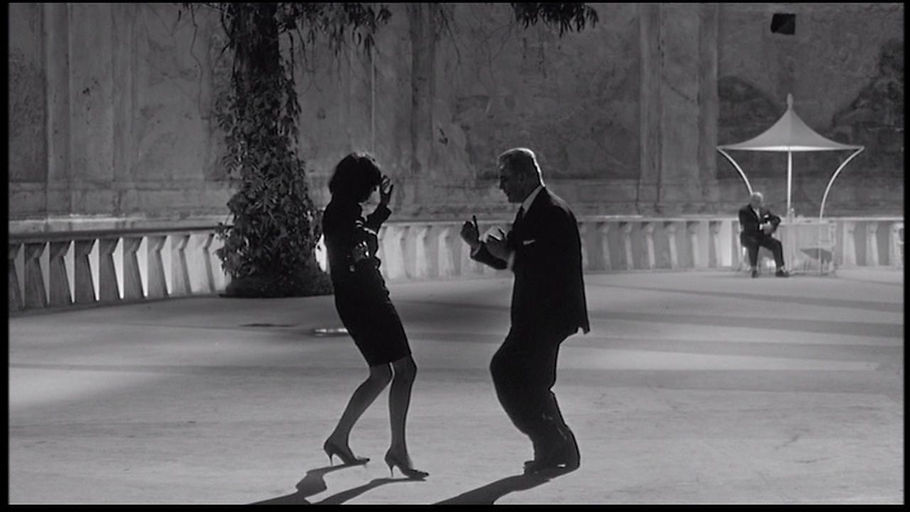
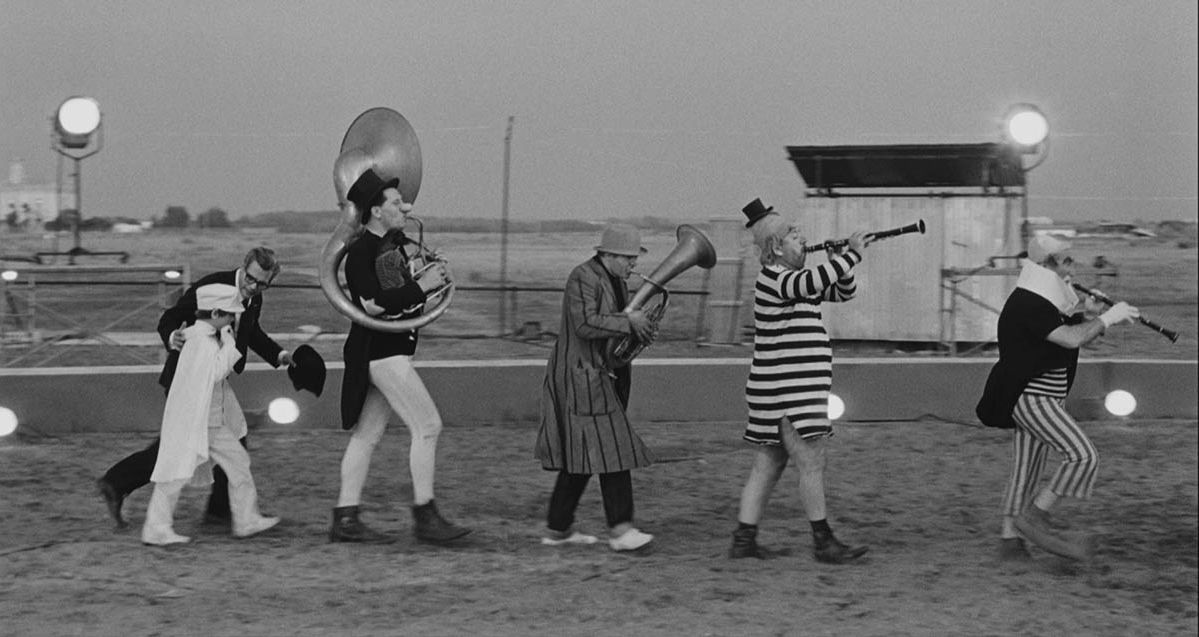
Operatic in structure, this film relies on scenes with quite finite arcs that don’t always necessarily feel finished. An early dream sequence sees a man quite literally in the clouds, with an earthling below attempting to lasso him down. But Fellini imposes a bewitching means of traversing these progressions, making the minute and irrelevant focal points henceforth BECOME relevant. The women were altogether the most gratifying force in the show: a line up of exquisite brow-bones, waistlines, raucous laughs and venomous tongues. They seem like pawns to illustrate this man’s fickle, flighty, misogynistic nature, until their common threads unify them into spurring a triumphant take-down of a man rendered spineless in his own epic attempt to just make another goddamn movie. Fellini himself was known for working without cemented intentions and fragmented scripts. Famously, on this project, he had a little note to himself fastened to the camera reading, “Remember this is a comedy,” which is about all I’d like you to know before delving into it. It’s brazen and risky attempt the bare one’s own reflection becomes a house of mirrors: dizzying, dazzling and injurious – and a magnum opus if I ever did see one. Five stars.
Bridget O’Brien

 The Unending Ode