Feb 15th, 2020
Setting aside my poor conflicted heart striving to separate the art from the artist, I am a valiant fangirl for the work of Woody Allen. If the fanatic in me could have one wish, it would be merely to be a fly on the wall: watching dialogue start as the nucleus of thought, become mapped out on paper, and subsequently choreographed on the tongues of actors, permeating their every mannerism.
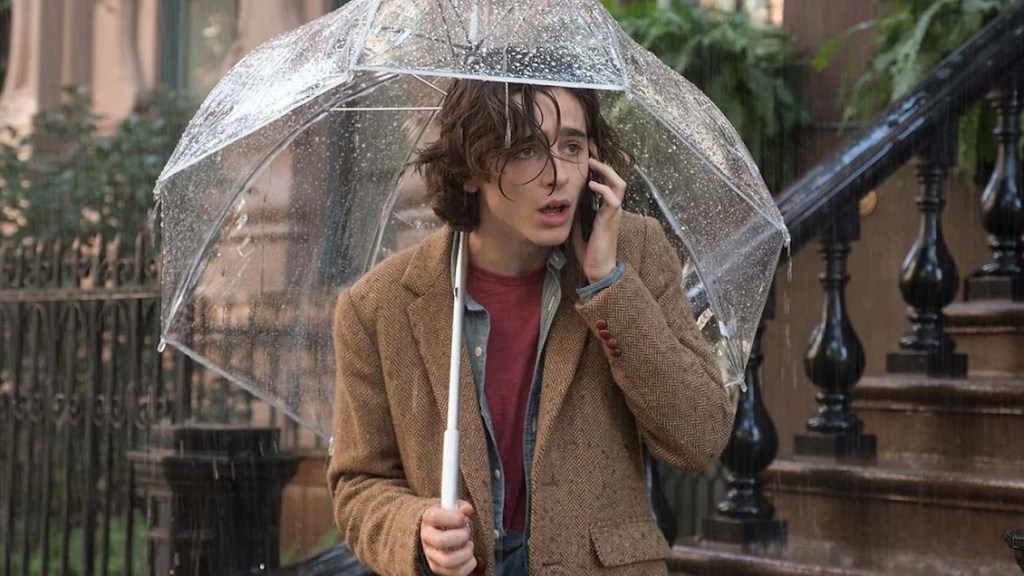
I was astonished after my recent viewing of A Rainy Day in New York. Having settled into comfort with the reliable nature of Woody’s movies, I had neglected to anticipate anything entirely ground-breaking. My other recent indulgences in his repertory were the relative relics of Broadway Danny Rose, Manhattan Murder Mystery and Crisis in Six Scenes. Dependable pieces. Woody himself and his idiosyncratic reincarnation of the same character reverberates in scenes against another of his timeless muses – Mia Farrow, Dianne Keaton, Elaine May. There is a distinct dependability of this formulaic reproduction that relies on gloriously unpredictable regeneration as a part of its fabric.
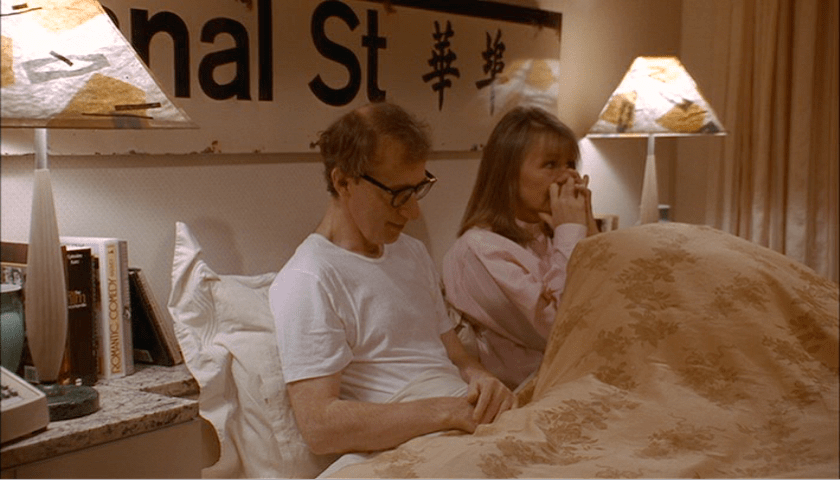
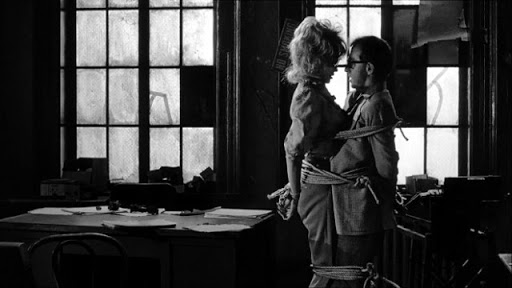
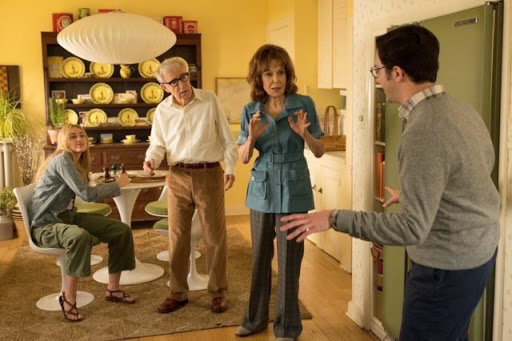
Woody is now 84 years old; in the final act of his life. I was delighted to anticipate this formula substituting veterans for fledglings. And upon viewing, I was met with wonder.
It’s all so tightly fused, I don’t know to whom I owe my applause. Woody for imbuing his text with unmistakable style? Woody for having a script and vision with such explicit demands of his casting directors? Woody for conducting a shoot with the vigour that extracts the essence of his text so meticulously? Or the actors for filling the mould that is expected of them with such an unequivocal style to emulate, which is in turn Woody’s success for creating, curating and affirming this style through generations of his filmmaking?
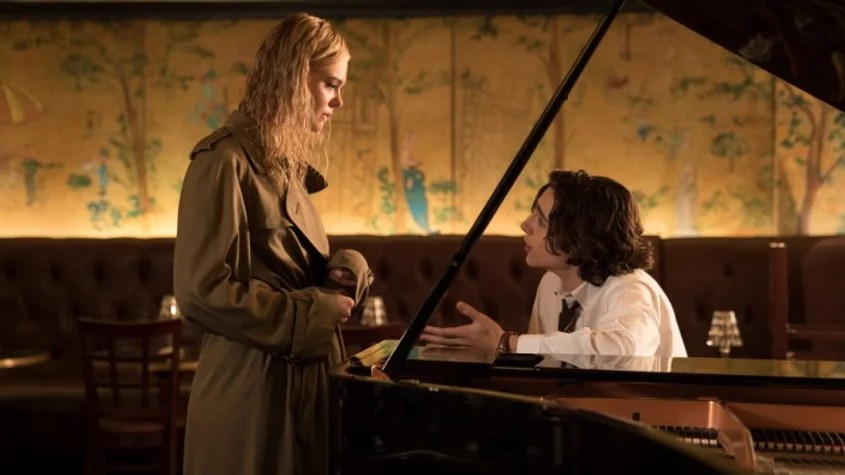
We are in an exciting age of cinema with Timothée Chalamet and Elle Fanning burgeoning into formidable actors, and they can’t go without their applause. Chalamet’s posture, his frown, his awkward laugh, his indulgence in doom and the time he left between sentences bewitched me into believing Woody’s spirit had possessed him. Fanning’s sweetness blinding you to her idiocy, her coquettish self-acceptance, and ability to lace scenes with an element of delight was a contender among the greats. And the chemistry between them possessed the essence of Dianne and Woody themselves, so palpable that I was gleeful to watch them disintegrate.
I saw the old tropes well and truly reborn. But this prompted me to reflect upon the rest of his filmography timeline, and acknowledge others who’ve carried the baton. Jason Biggs defied a reputation and we watched him accommodate the fourth-wall-breaking neurosis in Anything Else (2003). Owen Wilson blunders at odds with his circumstance and his own pretension in Midnight in Paris (2011). Jesse Eisenberg replicated a flawless meter about his gawkish delivery in Café Society (2016).
A Rainy Day in New York was a ballet of all the tropes I’d relied upon: ensemble dynamics through unprecedented tribulations, married with the sanctioned presence of likeable clichés to punctuate. Selena Gomez wore harmless antagonism as effortlessly as her messy up do, Jude Law haplessly worked as an undercurrent reminding us of the adults playing children’s games and the children trying their hands at an adult’s, and Liev Schreiber played the machine responsible for various examples of magnetism. The path, with an 92 minute run time, is designed with peaks at peace with the troughs, and this journey is predictably punctuated by a collection of beguiling things that are timeless: New York City, rain, and jazz; performatively becoming secondary characters in their own right.
What Woody does has created an enduring epoch in a time of film I’ve been fortuitously around to witness. With this style so firmly asserted within the repertoire, I doubt that we will ever have to live without fresh reinventions of his ways, even long after Woody has gone. The materials are there, at viewer’s and creator’s disposal, and as long as we have Chalamet and Fanning around, we have its embodiments. Woody’s run times have become his cockiest statement, because after each 80 to 100 minutes I spend with him I have to admit, feeling both defeated and gruntled, that I can be easily pushed to fall in love in just that many minutes.
In any case, this week, Woody has temporarily ruined me as a writer. Putting words on a page is one parameter of storytelling, and without the various strengthening factors that compound upon one another to translate onto screen. There is too much room for the consumer’s independent thought, which presents a danger of the point being missed. I am in no way clever enough to engineer a performance or reception with words my only tool, and envy the conviction it took to carve a career and legacy out of such a sincere faith in one’s creative articulation.
Bridget O’Brien

 The Unending Ode