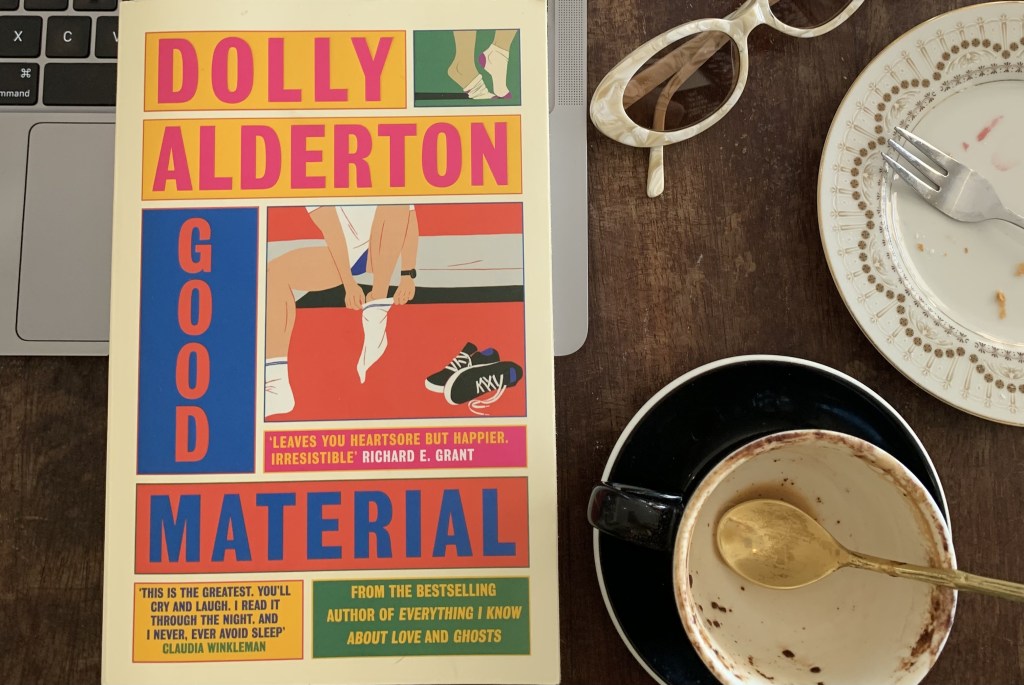
Dear Dolly,
The other night I went to stand up comedy and I couldn’t stand it. This comedy club is two doors down from the house I’ve been living in for three years now, and I’ve done my due diligence as an loyal fan and hype girl – coaxing in apprehensive friends, feeling irrationally responsible for their enjoyment when jokes do or don’t land.
But the other night was different. After spending 72 hours with a winsome yet turbulent Andy Dawson a few weeks ago, I found myself analysing the art and the anguish like I never have before. Watching sad dudes in fandom tees or flannel calculate three steps ahead the mathematics of the spaces they left between each word or phrase and the alchemy it conjured within an almost indecipherable vibe in the room. I could tell when our earnest, objectively enjoyable opener was going to bomb from the first line. I could see his beady eyes charting up his odds of his “I don’t get the whole social media” bit landing. I could see him treading water once he’d boarded the rollercoaster, knowing an emergency stop was only going to have more casualties. I dreaded the empty dressing room he’d find himself in after the show, like it was my dignity on the line.
I blame the intimate neurosis of Andy Dawson that I shared in for 341 pages. He conjured a relatable discomfort as deftly as he made me laugh.
So Dolly, my thwarted evening at the comedy club aside, my point is that I have a huge problem with how relatable Andy is. An unproductive combination of ambitious, lost and lazy. Entirely upended by hurt and heartache. Until I read this book, I thought the folder on my phone in which I save zoomed in photos of my burgeoning grey hairs was my best kept secret.
Andy is a guy neurotic enough to make lists, but not enough to conjure the eloquence required to unpack existential crises over a dusk-time wine. Someone hurt enough to whinge and protest, but only with the petulant ebb of gentle pushback, limp enough to leave the battle of it all almost completely unnoticed. Someone unhinged enough to fabricate an entire identity and backstory to take to a professional, but not unhinged enough to believe they might have been better off using that appointment on their honest self. And I see a little bit of him in almost everyone I know.
Andy Dawson is John Cusack/Zoe Kravitz wailing from out in the rain below “You fucking bitch! Let’s work it out!” Andy Dawson is Billy Crystal yelling at a wagon wheel coffee table, begging his friends to arrange some sort of furniture pre-nup as they move in together. Andy Dawson isn’t quite Adam Sandler asking his psycho ex to get out of his Van Halen T Shirt before she jinxes the band and they break up, but I imagine he could slip into that persona on stage at an open mic night, and bring the house down.
I’ve always believed that the crux of truly brilliant writing exists in the balance and understanding of tragedy-and-comedy. This isn’t any revelation. Chiaroscuro – literally translating to bright/dark – is a theory of the complementary that upholds some of the best stories we know, and how they are told. From the tenth page, I knew this story would belong in the break-up cultural rhetoric as a perfectly conjured vignette of a perfectly millennial zeitgeist.
It bored me a little that the press around this book’s release seemed to incessantly circle back to the puzzling and brazen decision to write as a woman from a male point of view, like it’s a brave little gimmick. I don’t know if some of our prominent male storytellers devoted to love and life and what it means to be human face that same surprise. As if John Green, Nicholas Sparks, Nick Hornby, Richard Curtis or Garry Marshall have ever been congratulated with condescending surprise for their acute understanding of women?
The world you built that locked Andy out of the wise, drawling, ruminating, philosophical, analytical conversations between women illustrates so clearly why your aptitude in understanding people shouldn’t shock us. Women like you have made careers out of understanding, have monetised and professionalised a means of scrutiny that a generation begging to be listened to so sorely needs. A book like this nobly chips away at the archaic boundary that separates general fiction from women’s fiction. Its embracing and empathetic approach to validating the grief and self-sabotage of someone broken-hearted who has never had to look that closely in the mirror before is warm, validating and vital.
The characters are layered and palpable, the story is hilarious, hapless and hopeful, and the writing is absolutely alive with epiphany and poignance. The title asserts its whole essence: it is just good material.
Thank you, Dolly. You’ve nailed it, once again.
For lovers of self-deprecating jokes, Beatles trivia, fun-aunt/uncle energy, the cultural endurance of The Killers’ back catalogue and the lawlessness of a fringe festival. This book is best paired with a fresh or rocky start, an annual rewatch of When Harry Met Sally, and a depressive binge of High Fidelity – the Zoe Kravitz mini series remake of 2020 that honourably fleshes out all we love about every iteration that came before it.

 The Unending Ode